
Mari Koppanen’s KÄÄPÄ+ grew into a PhD research project
Mari joined the Nordic Biomaterials course at Aalto CHEMARTS in 2022 during the early phase of her PhD Artistic Research for the Oslo National Academy of the Arts.
Mari joined the Nordic Biomaterials course at Aalto CHEMARTS in 2022 during the early phase of her PhD Artistic Research for the Oslo National Academy of the Arts.

Focused on fungi and experimental materials, she applied to CHEMARTS to gain access to the needed laboratory and equipment.
“I was interested in broadening my knowledge of the chemical, biological, and microscopic aspects of the material I study.”
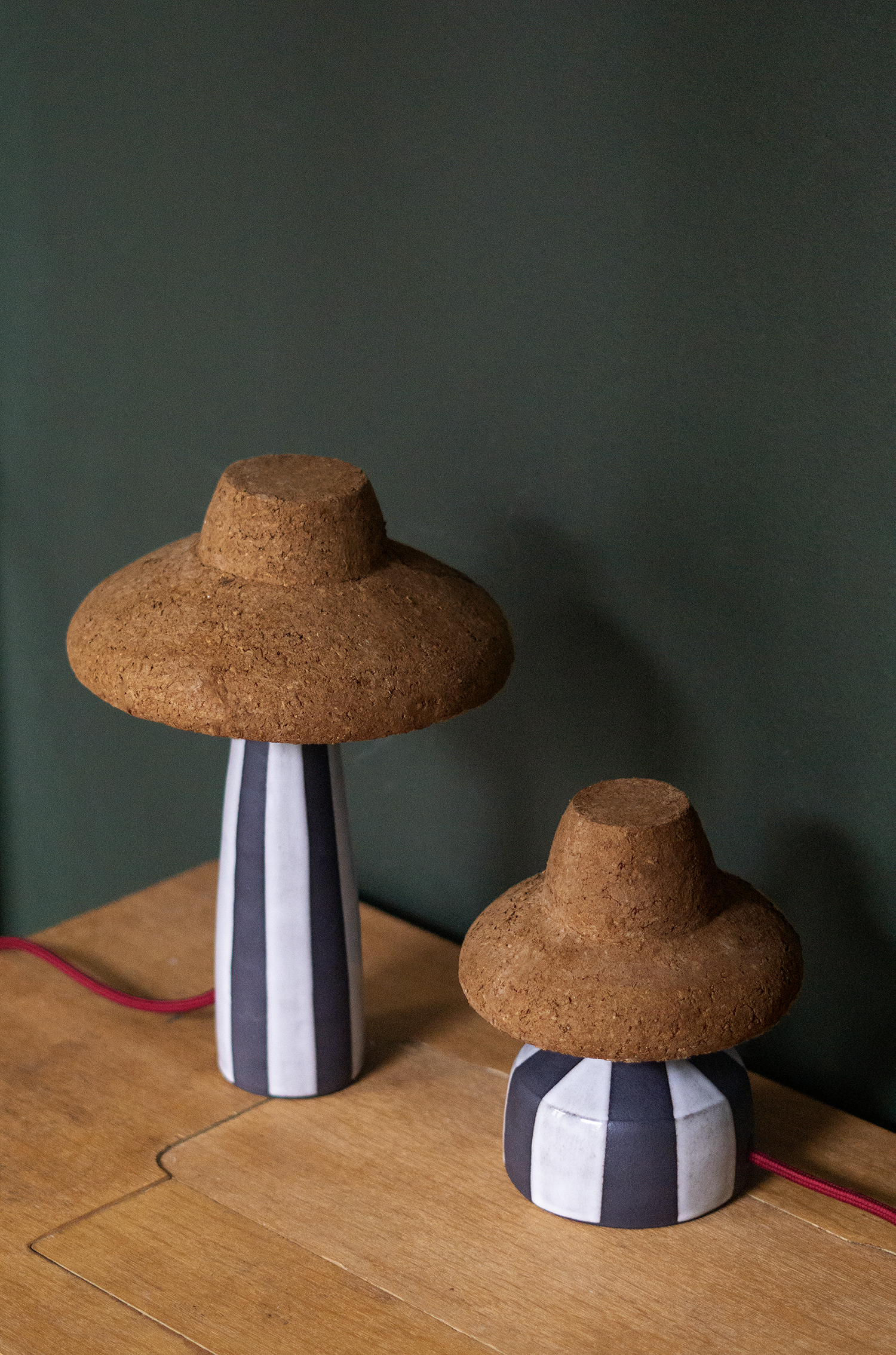
The course marked the beginning of her KÄÄPÄ+ project, which later became part of her PhD. Using the techniques learned at CHEMARTS, Mari developed a composite material combining wood cellulose with remnants of amadou fibre (a fungal material derived from tinder fungus). She used this composite to create lampshades for lighting designs, form-pressed from the material.
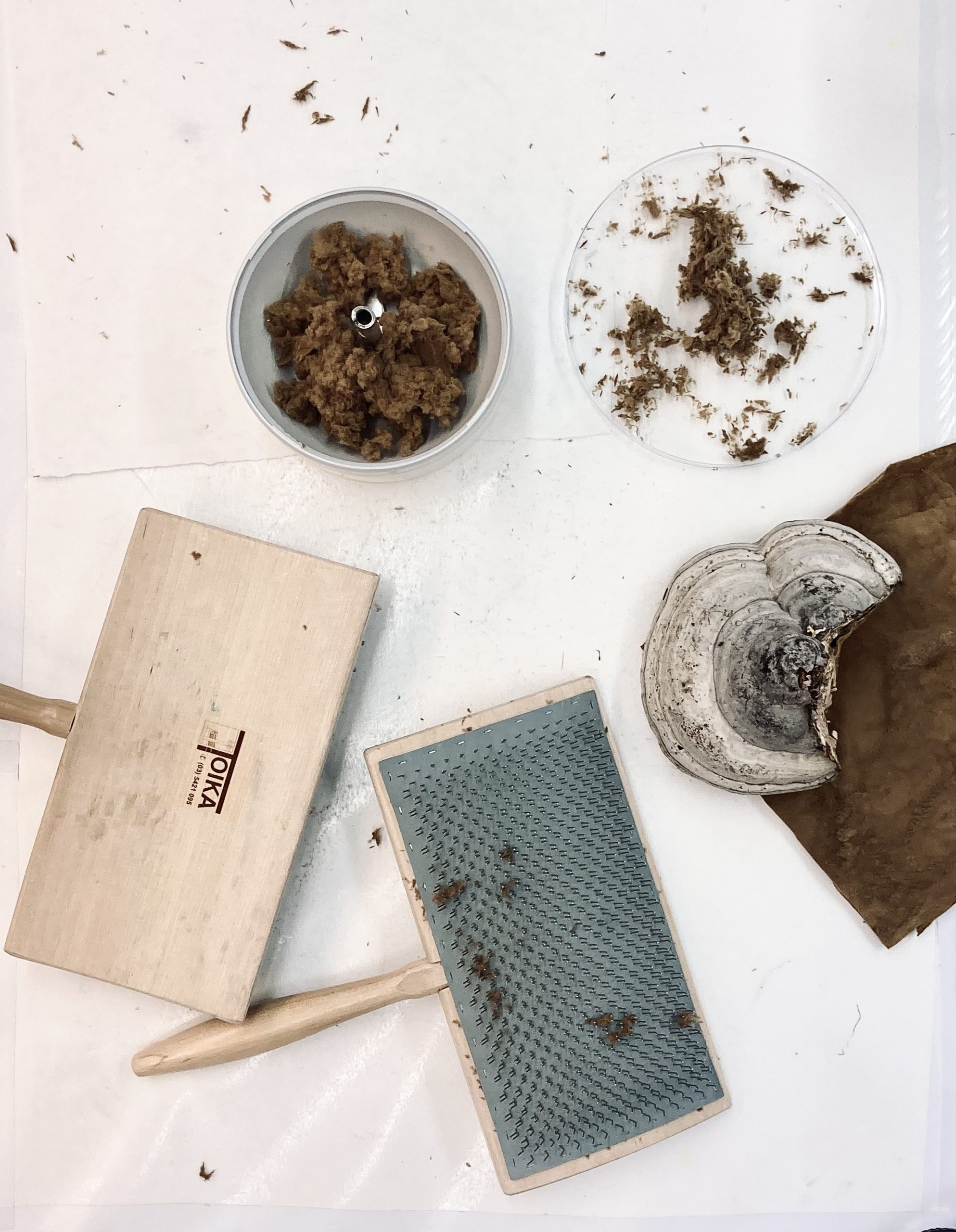
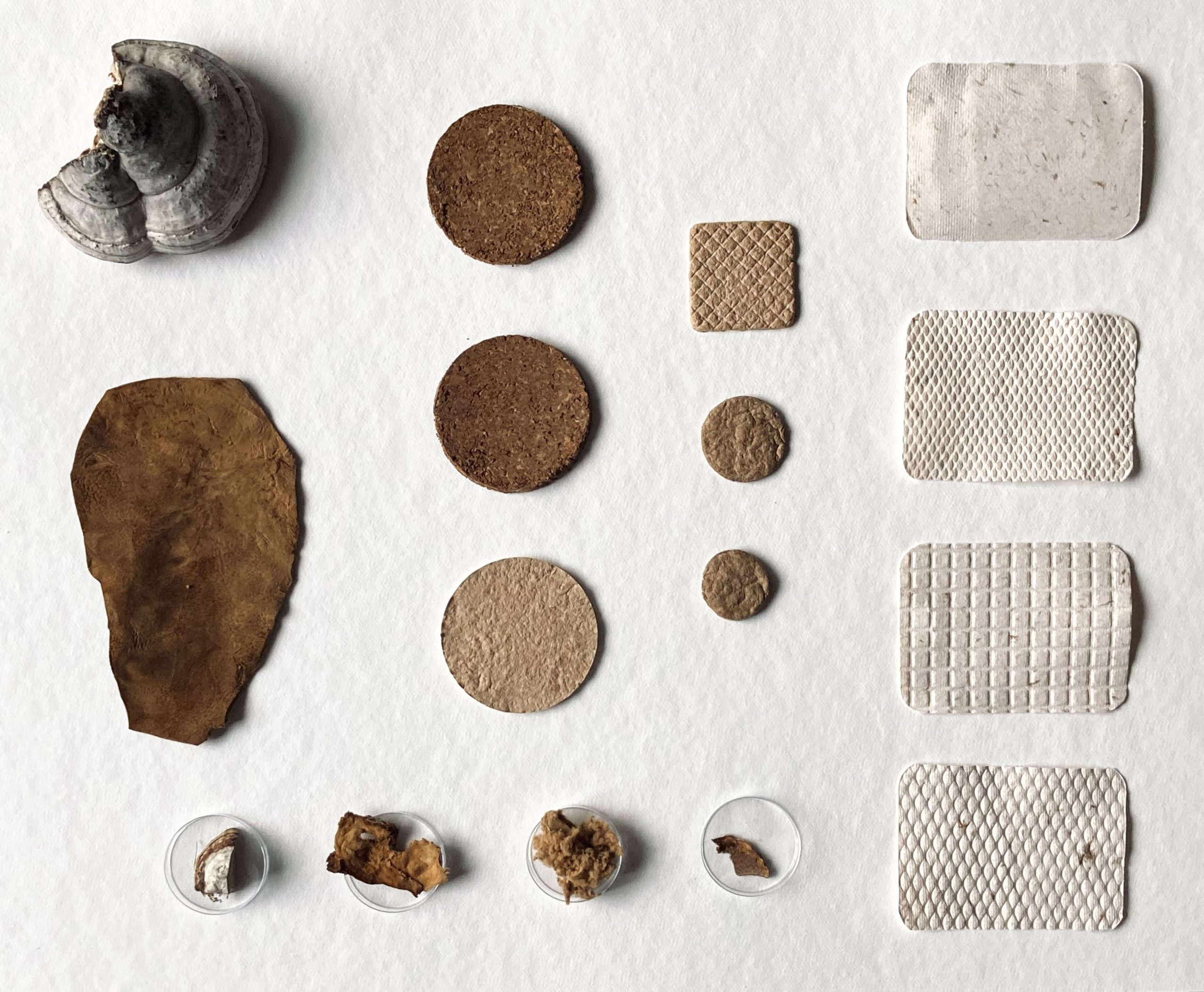
Mari valued the diversity and expertise in the CHEMARTS lab. Students came from different cultural and educational backgrounds, and the course offered freedom to explore individual interests.
“The course content was engaging. Professors Tapani Vuorinen and Pirjo Kääriäinen were experienced professionals, and I had two very inspiring weeks on the Aalto campus with them and the other students.”
This hands-on lab environment allowed Mari to experiment with new biomaterials while collaborating with peers, building skills she now applies in both research and teaching.
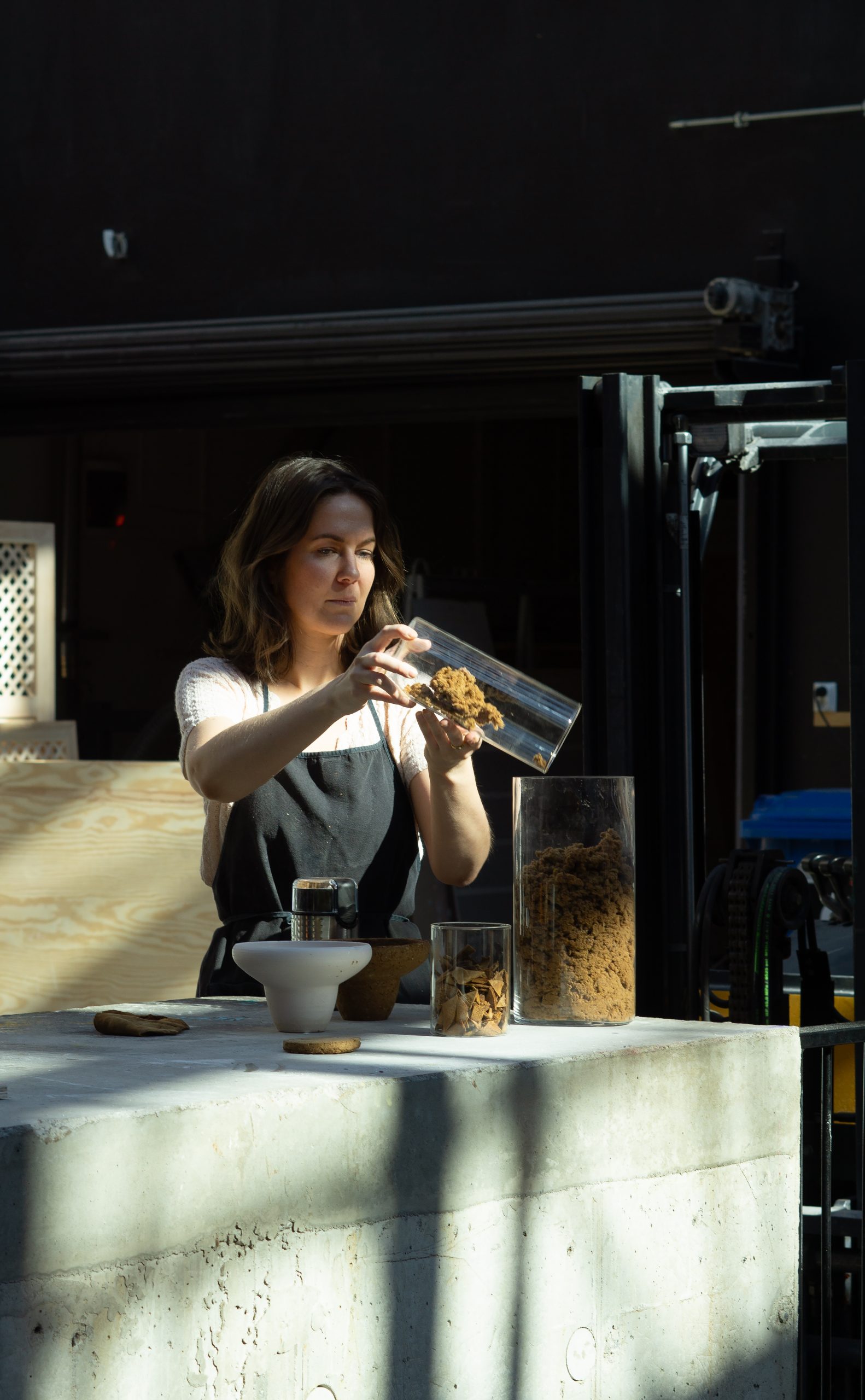
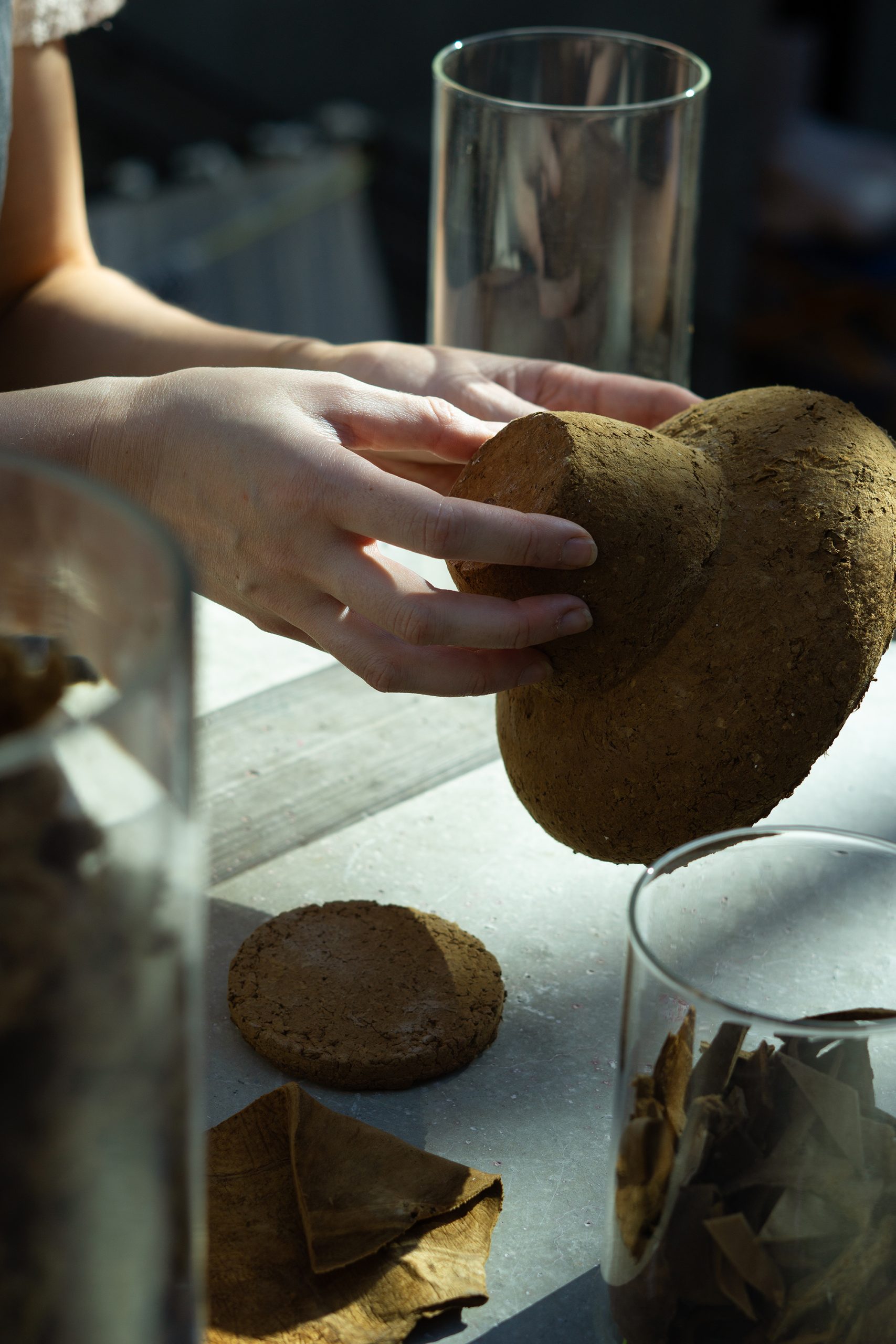
Since then, Mari has been finalising her PhD and teaching a materials course at the Oslo National Academy of the Arts, where she introduces the CHEMARTS Cookbook as a pedagogical resource. She plans to continue working independently with the biomaterials she has been researching.
“Material research is one of the most rapidly growing fields, and I believe we will see increasing collaboration between designers and scientists in the future. It is important that these materials are produced through socially and ecologically sustainable means. In this context, ethical material research, sustainability and innovation become a primary value.”
“The design of the future is increasingly cross-boundary, requiring practitioners who can work in diverse environments and collaborate with experts from different disciplines. In that sense, the course was highly relevant to my practice, and I gained concrete benefits from participating in it.”
Interested in studying CHEMARTS courses? Apply to Aalto University.