Biomaterials, sustainability education and the Baltic Sea
Nina Riutta is a Helsinki-based designer whose path into biomaterials began with curiosity and grew into a long-term engagement with CHEMARTS as a student, teaching assistant and co-author.
Nina Riutta is a Helsinki-based designer whose path into biomaterials began with curiosity and grew into a long-term engagement with CHEMARTS as a student, teaching assistant and co-author.
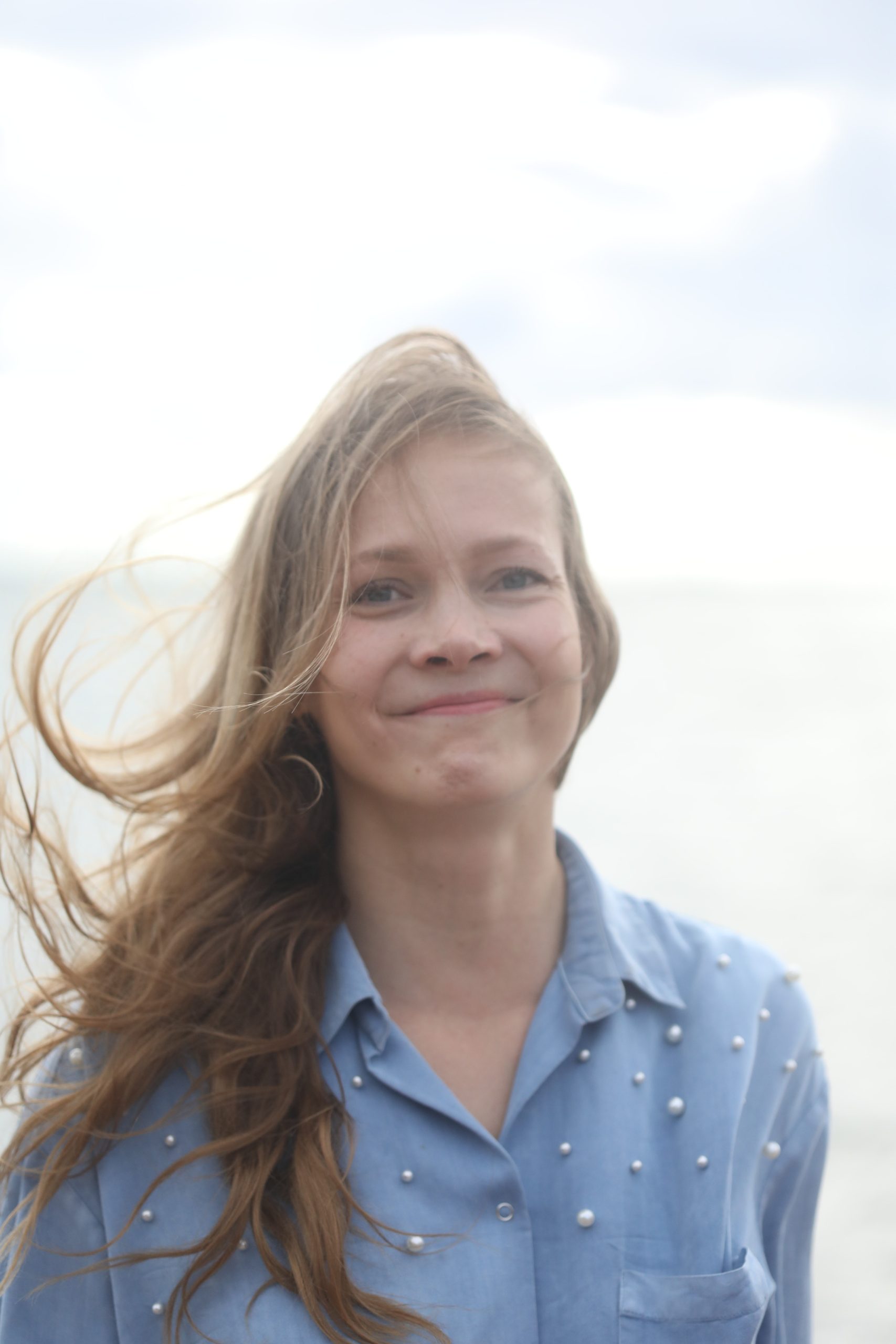
Originally from Tampere, she studied Design at Aalto University, completing a Bachelor of Arts, followed by a Master of Arts in Collaborative and Industrial Design, with CHEMARTS as a minor.
Nina first encountered CHEMARTS in 2016 through the Design Meets Biomaterials course.
“It sounded intriguing and unlike anything I had encountered before,” she recalls.
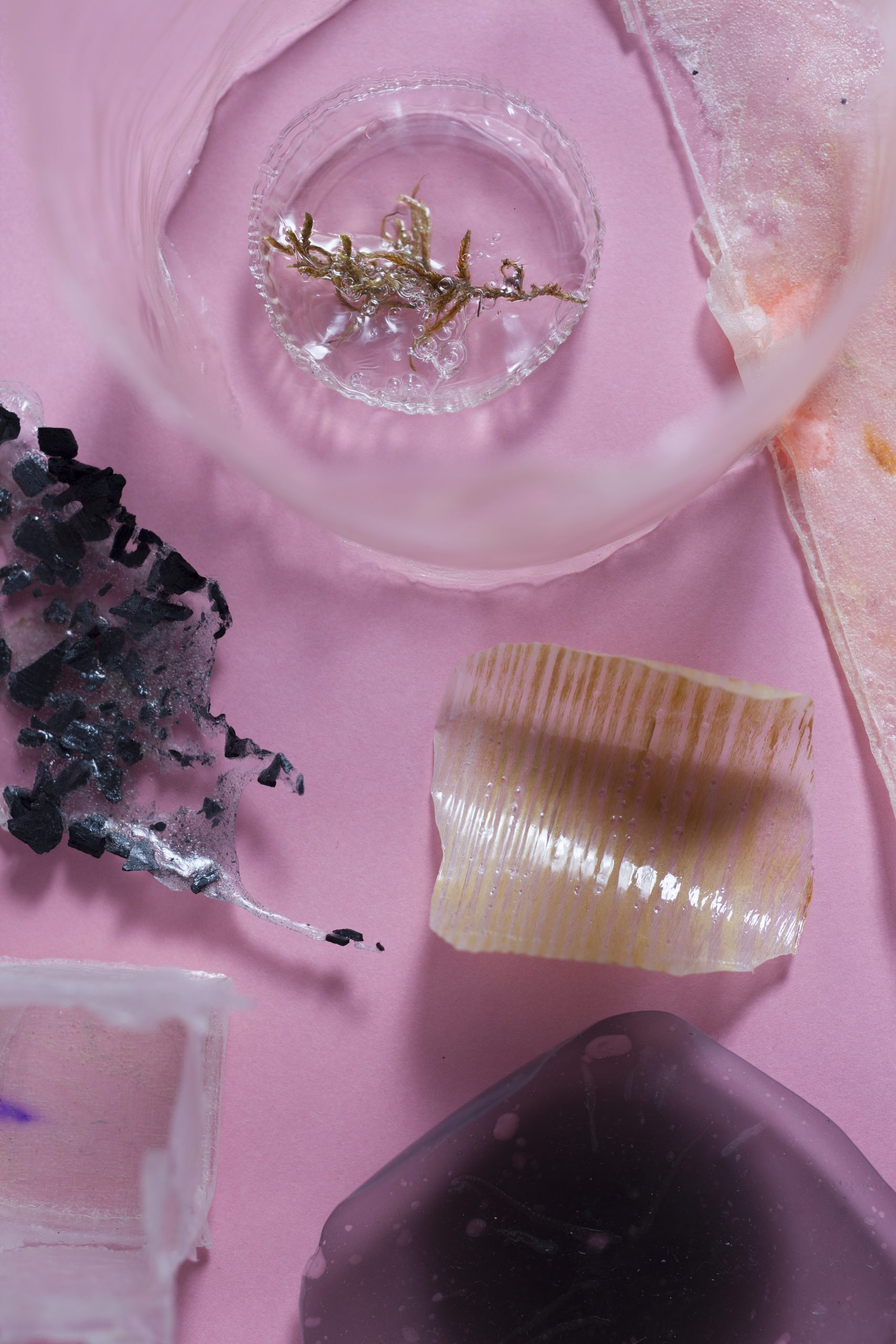
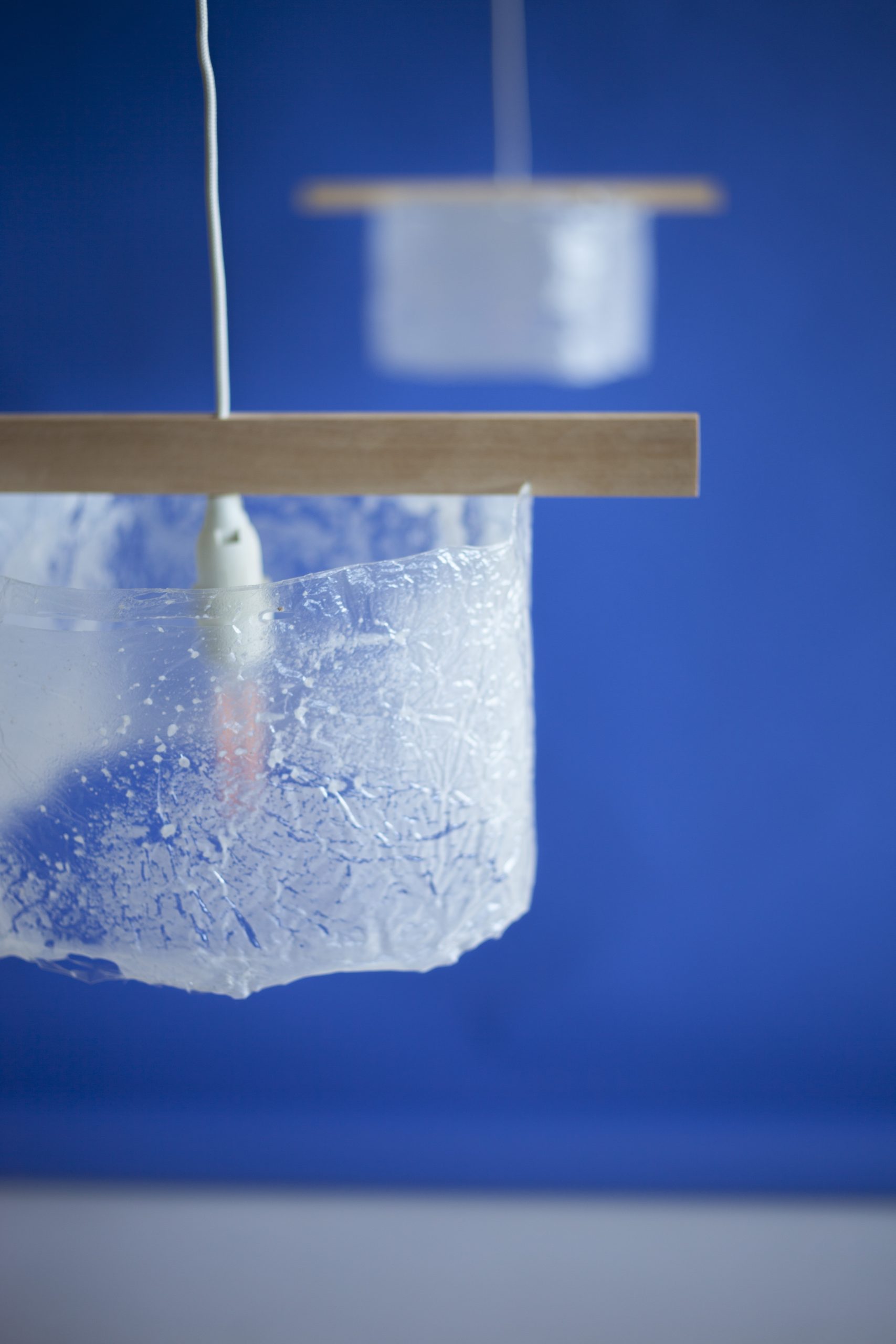
The material exploration resonated immediately, and continuing into the CHEMARTS Summer School felt natural. The summer course became one of the most memorable parts of her studies, offering time and freedom to follow personal interests and conduct deeper research.
“In 2016, I had no idea how deeply these decisions would influence my interests, studies, and the way I later approach my career.”

CHEMARTS went on to shape Nina’s academic and professional path in unexpected ways. Through the programme, she discovered the topics for both her BA and MA theses, exhibited her work internationally, and supported her studies by working as a teaching assistant for four years.
Under the guidance of Professors Pirjo Kääriäinen and Tapani Vuorinen, she developed laboratory skills, sustainability-oriented thinking and experience in multidisciplinary collaboration.
“The unique balance between artistic and conceptual thinking and deeply practical, hands-on material work, and especially the people, made CHEMARTS special.”
Designing learning environments beyond the university
After graduating, Nina worked for three years with the City of Hämeenlinna as a Pedagogical Expert, developing education toward more environmentally conscious practices. During this time, she co-developed several city-wide initiatives, including BiMa, a biomaterials education concept offered to all schools in Hämeenlinna, and Vesireppu (“Water Backpack”), an environmental education programme that introduced primary school pupils to hands-on water research in nearby lakes.
Since then, Nina returned to Aalto University through various projects, including collaborations connected to seaweed research. She is currently involved in city- and education-focused projects in Helsinki and the Malminkartano area, while also developing a Baltic Sea–centred design and research practice that builds on her background in biomaterials, sustainability education and material-based design.
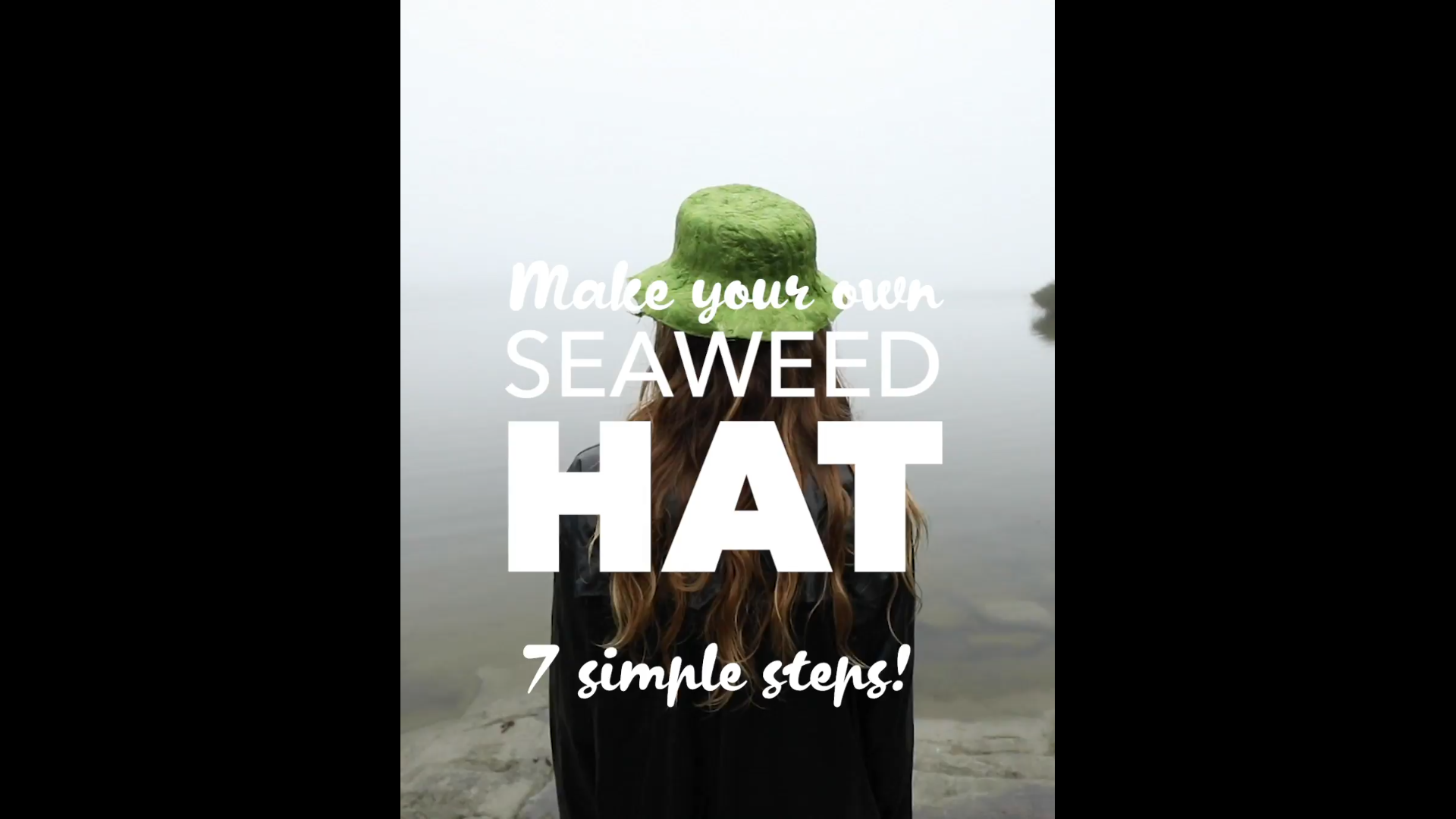
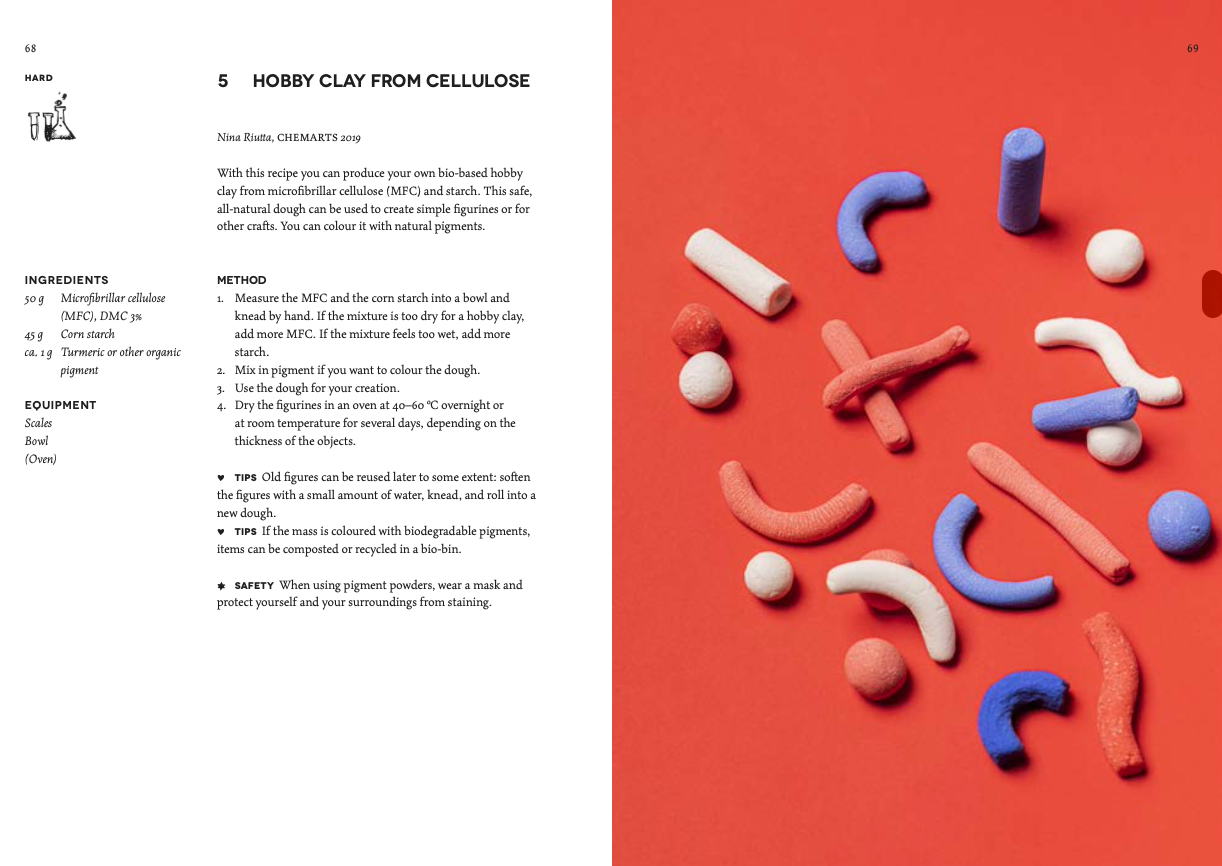
Reflecting on how CHEMARTS has influenced her career, Nina highlights the importance of combining material knowledge, teaching experience and sustainability thinking. One particularly meaningful experience was co-authoring The CHEMARTS Cookbook, which strengthened her confidence in communicating knowledge about bio-based materials and working in education-driven roles. Another was her personal research into Cladophora glomerata, a green algae from the Baltic Sea, which opened new connections to ocean-related research and practice.
Looking ahead, Nina remains open to where her work will take her, guided by a desire to contribute to sustainable and responsible development.
Interested in studying CHEMARTS courses? Apply to Aalto University.